





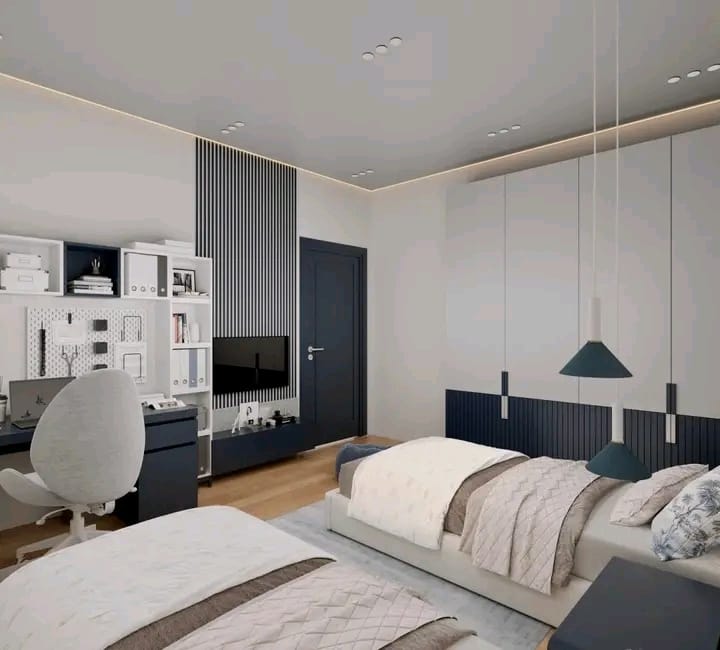
Why Smart Homes Are Becoming the Future of Real Estate
The real estate market is evolving rapidly, and one major trend is reshaping buyer expectations: the rise of smart homes. What once seemed like luxury add-ons—automated lighting, security cameras, app-controlled appliances—are now becoming standard features buyers actively look for.
Today’s homeowners want convenience, security, and energy savings, and technology is providing exactly that.
1. Growing Demand for Tech-Enabled Living
Modern buyers, especially millennials and Gen Z, prefer homes equipped with smart technologies. Voice-controlled assistants, remote-access door locks, smart thermostats, and intelligent smoke detectors are now seen as practical tools, not optional extras.
These features make life easier and create a more connected living experience.
2. Increased Property Value
Homes with built-in smart features often command higher prices compared to traditional homes. Smart upgrades deliver immediate value, such as:
- Lower energy bills
- Improved security
- Modern interior appeal
- Better control over utilities
This makes smart homes attractive to both investors and homeowners.
3. Energy Efficiency and Cost Savings
Smart homes use technology to optimize electricity consumption. Automated lighting, solar integrations, and smart meters help residents track energy usage in real time. This is especially important with rising electricity costs across many countries.
Energy-efficient homes are often more attractive to eco-conscious buyers and renters.
4. Improved Home Security
Smart cameras, motion detectors, digital locks, and doorbell cameras provide 24/7 monitoring. Owners can check their home from anywhere in the world using their smartphone.
This enhanced security increases tenants’ trust and reduces risks for property owners.
5. Convenience for Property Managers and Landlords
For landlords and estate managers, smart technologies allow:
- Remote monitoring of vacant units
- Control of lighting and utilities
- Smart locks for easy tenant turnover
- Automated maintenance alerts
This reduces operational costs and improves tenant satisfaction.
6. The Future: Fully Automated Homes
The next stage of smart homes will include AI-powered devices that:
- Predict homeowner needs
- Automatically adjust room temperature.
- Detect faults before they become major issues.
- Synchronize with electric vehicles (EV charging stations)
The integration of AI and the Internet of Things (IoT) will redefine how people live and interact with their homes.
Smart homes are no longer just a trend—they are the future of real estate. Buyers want comfort, investors want value, and technology is bridging the gap. Real estate professionals who understand and adopt this shift will stay ahead of the market and attract more clients.