





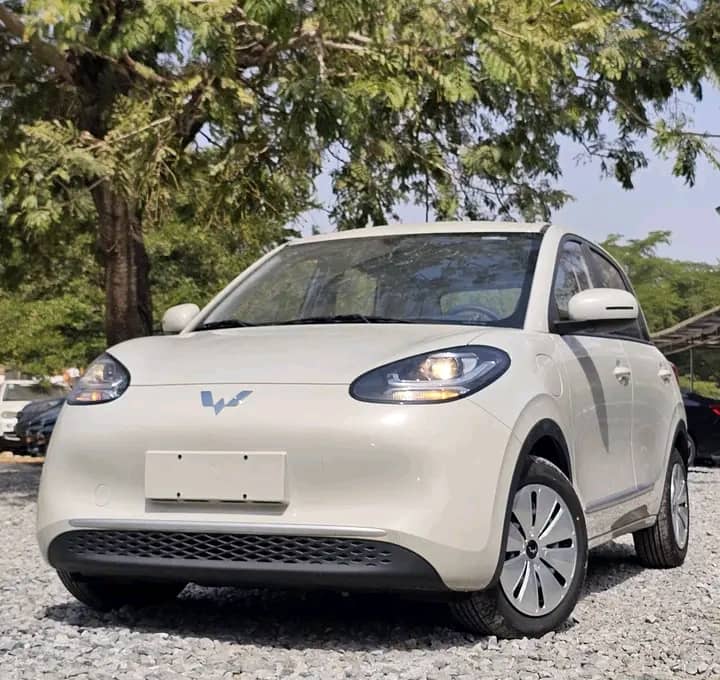
The Rise of Electric Vehicles in Africa: Challenges and Opportunities
Electric Vehicles (EVs) are rapidly transforming the global transportation landscape, and Africa is gradually becoming part of this transition. Although the continent is still in the early stages of adoption, rising fuel prices, urban population growth, climate concerns, and technological advancements are driving interest in electric mobility. From electric buses in Kenya to battery-powered motorcycles in Rwanda and Nigeria, Africa is beginning to embrace clean, efficient, and sustainable transport systems.
This article explores the current state of EV adoption in Africa, the challenges slowing growth, and the opportunities that can transform the continent’s mobility future.
1. Overview: Why Electric Vehicles Are Gaining Attention in Africa
Several factors are accelerating the push towards EV adoption across African countries:
Key Drivers:
- Rising fuel costs: Petrol and diesel prices have become unstable, prompting governments and citizens to explore cost-effective alternatives.
- Climate and environmental concerns: Africa is vulnerable to climate change; adopting EVs helps reduce carbon emissions and improve air quality.
- Urbanization: Growing cities require cleaner, quieter, and more efficient mobility solutions.
- Government interest in green transportation: Countries like South Africa, Kenya, Rwanda, Egypt, and Morocco are introducing EV-friendly policies.
- Lower maintenance cost: EVs require fewer mechanical parts, making long-term ownership cheaper.
EV adoption remains low but is growing steadily due to these emerging trends.
2. Current State of EV Adoption in Africa
Although EV penetration is below the global average, several African countries are taking bold steps:
Leading countries include:
- South Africa: The continent’s largest EV market, with increasing private-sector investment and charging stations.
- Kenya: Launching electric buses (BasiGo), electric motorcycles (Ampersand, Roam), and solar EV charging stations.
- Rwanda: Offering tax incentives and import duty reductions on EVs.
- Morocco: Investing heavily in EV manufacturing and lithium battery production.
- Egypt: Building electric taxi fleets and EV assembly plants.
- Nigeria: Slow but rising adoption through electric tricycles, e-bikes, and pilot EV projects.
The shift may be slow, but momentum is clearly building across the continent.
3. Key Challenges Slowing EV Adoption in Africa
Despite the enthusiasm, several obstacles must be addressed for EVs to gain mainstream adoption across Africa.
3.1 High Cost of EV Purchase
EVs remain significantly more expensive than traditional fuel vehicles due to:
- Import taxes
- High battery costs
- Currency exchange fluctuations
This makes EVs less accessible for average consumers.
3.2 Limited Charging Infrastructure
A major barrier is the lack of public and private charging stations.
Most African cities have very few or no EV charging points.
3.3 Unstable Electricity Supply
Many countries struggle with:
- Unreliable power grids
- Frequent blackouts
- High electricity tariffs
This complicates EV charging and reduces consumer confidence.
3.4 Lack of Skilled Technicians
Because EV technology is new, few technicians are trained to repair or maintain electric vehicles.
3.5 Policy and Regulatory Gaps
Many governments do not yet have:
- EV regulations
- Incentives
- Clear import frameworks
- Standards for charging infrastructure
3.6 Limited Local Manufacturing
Dependence on imported vehicles and batteries raises costs and slows adoption.
4. Opportunities for EV Growth in Africa
Despite the challenges, the African continent has enormous potential to become a global EV success story.
4.1 Abundant Renewable Energy Resources
Africa has:
- Strong sunlight (solar)
- Wind potential
- Hydropower
Using renewable energy to power EV charging reduces costs and supports clean mobility.
4.2 Growing Urban Population
With millions of people moving into cities, the demand for:
- Electric buses
- Electric taxis
- Electric motorcycles
will continue rising.
4.3 Emerging Local EV Manufacturers
Several companies are producing affordable EVs, including:
- BasiGo (Kenya)
- Roam Motors (Kenya)
- Zembo (Uganda)
- Jet Motor Company (Nigeria)
- Silafrica (Rwanda)
Local manufacturing reduces cost and creates jobs.
4.4 Government Policies and Incentives
Many governments are now:
- Reducing import duties
- Offering tax exemptions
- Supporting EV infrastructure
- Encouraging local assembly
This will accelerate growth in the next decade.
4.5 Opportunities for Investors and Entrepreneurs
The EV value chain provides multiple business opportunities, such as:
- EV charging stations
- Solar-powered charging hubs
- EV battery swap stations
- Electric motorcycles and tricycles
- Fleet electrification (buses, taxis, delivery bikes)
- EV repairs and technician training centres
- Assembly plants and battery manufacturing
The EV industry could become one of Africa’s largest job creators.
5. Sectors That Will Benefit Most from EV Adoption
Transportation and Mobility:
Taxi operators, ride-hailing services, and public transport systems can reduce fuel costs significantly.
Logistics and Delivery:
Electric motorcycles and vans offer cheaper last-mile delivery.
Agriculture:
Electric tricycles and utility vehicles reduce operating costs for small farmers.
Government and Public Agencies:
Cities benefit from cleaner air, reduced noise pollution, and improved health outcomes.
6. The Future of EVs in Africa
The next 5–10 years will be critical. Experts predict significant growth driven by:
- Falling battery prices
- More local assembly plants
- Investments in solar infrastructure
- Rising awareness of clean energy
- Supportive policies and incentives
If Africa leverages its natural resources and population growth, it could become a key player in the global EV transition.
The rise of electric vehicles in Africa presents both serious challenges and massive opportunities. While issues such as high costs, poor electricity supply, and weak infrastructure persist, the long-term potential is undeniable. With increasing government support, growing investor interest, and rising demand for sustainable transportation, Africa is gradually positioning itself for an electric mobility revolution.
The next decade may see African cities transformed by clean, efficient, and technology-driven transport systems.