





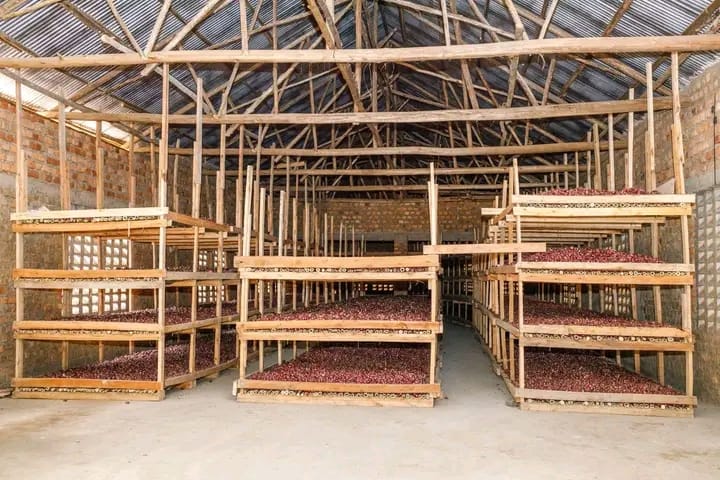
Why Food Storage Is a Major Problem in Nigeria and How to Solve It
Nigeria produces millions of tons of food every year, yet a large portion of it goes to waste. Poor storage is one of the main reasons farmers, traders, and consumers lose money, while food prices remain unstable. In this article, we explore the challenges of food storage in Nigeria and practical solutions for the future.
1. Post-Harvest Losses Are a Huge Challenge
After harvest, many farmers struggle to properly store their crops. Common problems include:
- Exposure to heat, rain, and pests
- Poor packaging and transportation
- Lack of cold storage for perishable foods
For example, tomatoes, onions, and vegetables often spoil within days without proper storage. This leads to huge financial losses for farmers and higher prices for consumers.
2. Infrastructure Problems Make It Worse
Many rural areas in Nigeria lack good roads, electricity, and warehouses. This makes it hard to transport or store produce. Even when storage facilities exist, power outages and poor maintenance often ruin crops.
3. Climate and Pest Issues
Nigeria’s tropical climate, with high humidity and temperatures, accelerates spoilage. Pests like rodents and insects also damage stored grains, cassava, and vegetables. Without modern storage solutions, farmers are at constant risk of losing their hard work.
4. Solutions for Better Food Storage
There are practical ways to improve food storage in Nigeria:
a. Solar-Powered Cold Rooms
Solar cold storage keeps perishable foods fresh for longer, especially in rural areas with unstable electricity.
b. Modern Warehouses
Constructing well-ventilated warehouses with humidity and temperature control reduces losses for grains, tubers, and processed foods.
c. Better Packaging
Using airtight containers, crates, and protective covers keeps produce safe from pests and moisture.
d. Government and Private Support
Investments in infrastructure, subsidies, and training programs for farmers can significantly reduce post-harvest losses.
e. Digital Tracking and Storage Management
Apps and sensors can monitor storage conditions and alert farmers when crops need attention.
5. Why This Matters
Better storage means:
- Farmers earn more profit
- Consumers get affordable food
- Less food goes to waste
- Nigeria can export more agricultural products
With smart storage solutions, the Nigerian agriculture sector can become stronger, more profitable, and more sustainable.